Client: Canada Post Corporation
Role: Senior Information Architect
Reflection
This project showcased my strength in bridging complex logistics systems with human-centered design, and in creating experiences that scale across devices and accessibility needs. By focusing on structure, clarity, and task efficiency, I helped Canada Post deliver a modern, inclusive, and customer-first digital service, a major step in its transformation from a traditional mail carrier to a trusted e-commerce logistics brand.
Project Overview
Canada Post, one of Canada’s largest logistics and mail delivery organizations, sought to redesign its mobile and tablet applications to provide a more intuitive, modern, and accessible experience for Canadians managing parcels and deliveries.
The project focused on creating a unified app experience across iOS, Android, and Windows devices, allowing users to:
- Track parcels in real-time,
- Locate nearby post offices,
- Manage deliveries and pickups, and
- Access digital communications and e-commerce tools seamlessly.
I led the design of the Windows tablet and mobile experience, ensuring it matched the functionality and design parity of other platforms while meeting accessibility and usability standards.
The Challenge
At the time, Canada Post’s digital ecosystem was fragmented across multiple mobile platforms, with inconsistent visual design and varying feature availability. Key challenges included:
- Designing for multiple device form factors and ensuring continuity across platforms.
- Creating a responsive, touch-optimized experience within the constraints of Windows UI guidelines.
- Addressing WCAG accessibility compliance and government digital standards.
- Balancing functional logistics data (tracking, notifications) with consumer usability and brand storytelling.
My Role & Contributions
As the Senior Information Architect and UX Lead for the Windows app, I:
- Discovery & Research
- Conducted stakeholder interviews with product, IT, and logistics teams to understand user needs and technical constraints.
- Reviewed analytics and feedback from existing app users to identify pain points and priority features.
- Benchmarked against leading delivery and logistics apps to assess competitive expectations.
- Information Architecture & Interaction Design
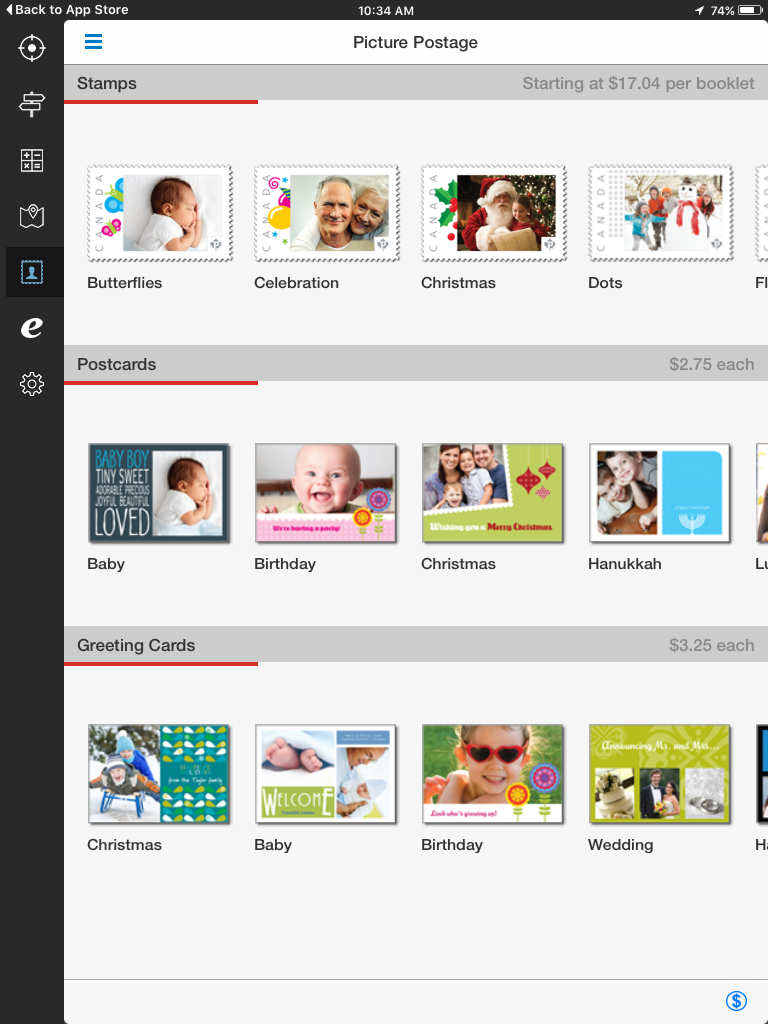
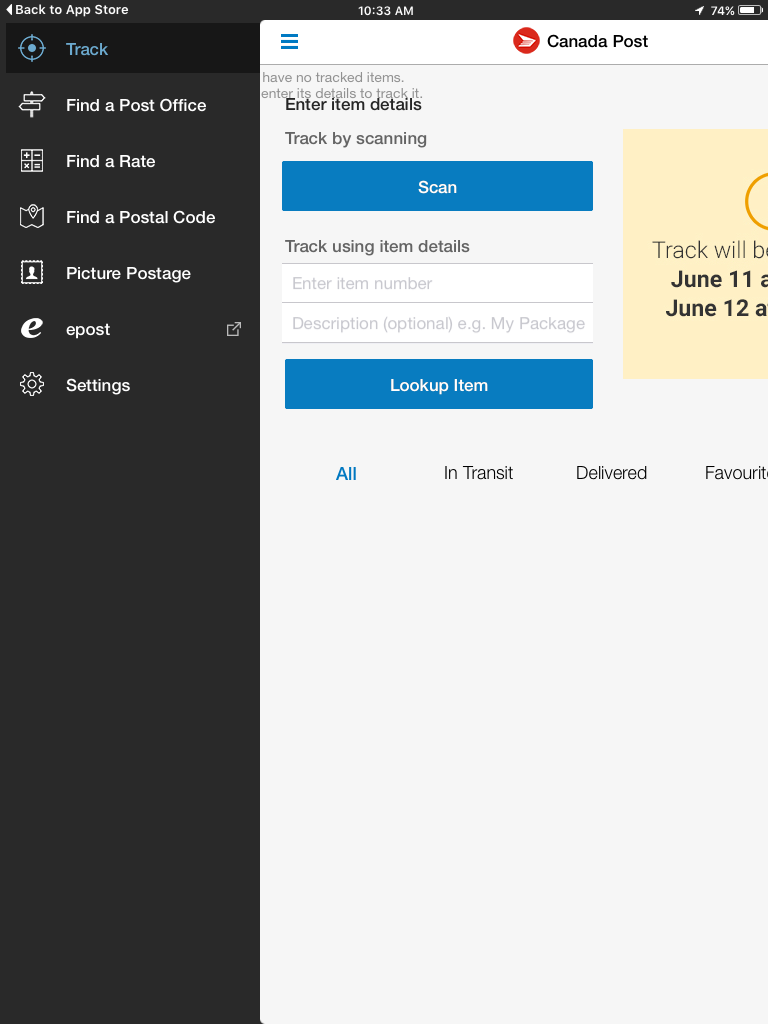
- Developed a clear content hierarchy and navigation structure optimized for quick task completion—tracking, searching, and managing parcels.
- Created user flows and wireframes in Axure and Sketch to demonstrate key interactions, layout responsiveness, and information groupings.
- Designed multi-panel layouts for the Windows tablet interface, enabling parallel workflows (e.g., viewing multiple shipments at once).
- Visual & Interaction Patterns
- Applied Microsoft’s Modern UI (Metro) principles, focusing on clean typography, live tiles, and gesture-based interactions.
- Integrated real-time tracking visuals, status cards, and push notifications for parcel updates.
- Collaborated with visual designers to align the interface with Canada Post’s evolving digital brand system.
- Accessibility & Usability Testing
- Applied WCAG 2.0 AA principles for contrast, focus states, and screen-reader compatibility.
- Conducted usability sessions with participants across age groups and accessibility needs to validate navigation and task completion.
- Collaboration & Delivery
- Partnered with developers to ensure interaction behaviors were feasible within Windows UX constraints.
- Documented IA and interaction guidelines to support future cross-platform design consistency.
Outcomes & Impact
- Launched a fully redesigned Canada Post Windows App with improved usability and consistency across platforms.
- Achieved a significant increase in user satisfaction scores in post-launch feedback and app store ratings.
- Reduced time-to-track and locate parcels by over 30% through simplified task flows and live-tracking modules.
- Recognized internally as a model for accessible, platform-consistent app design.