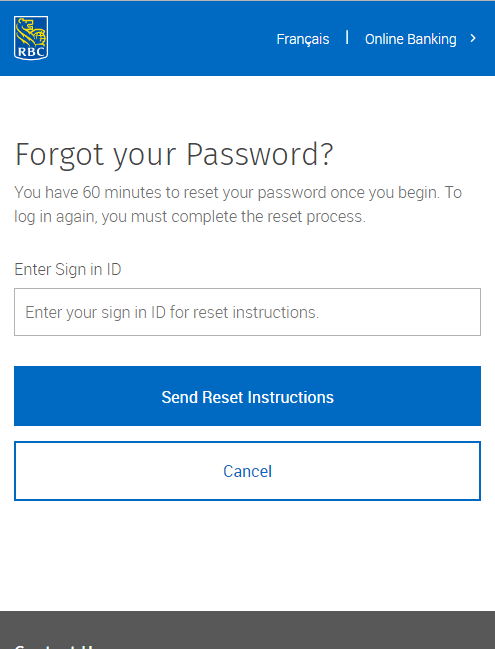
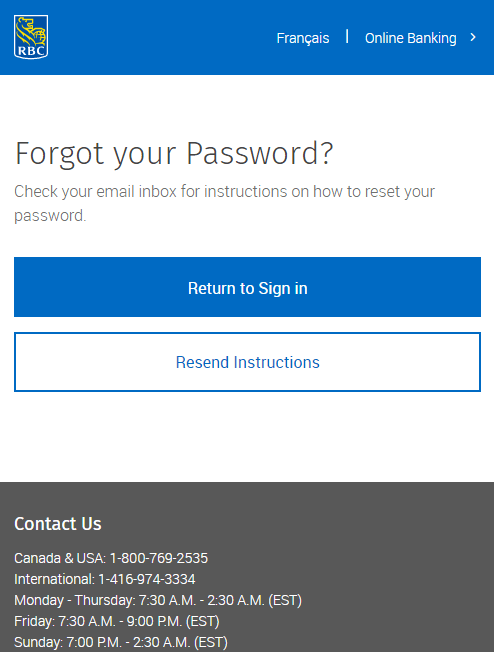
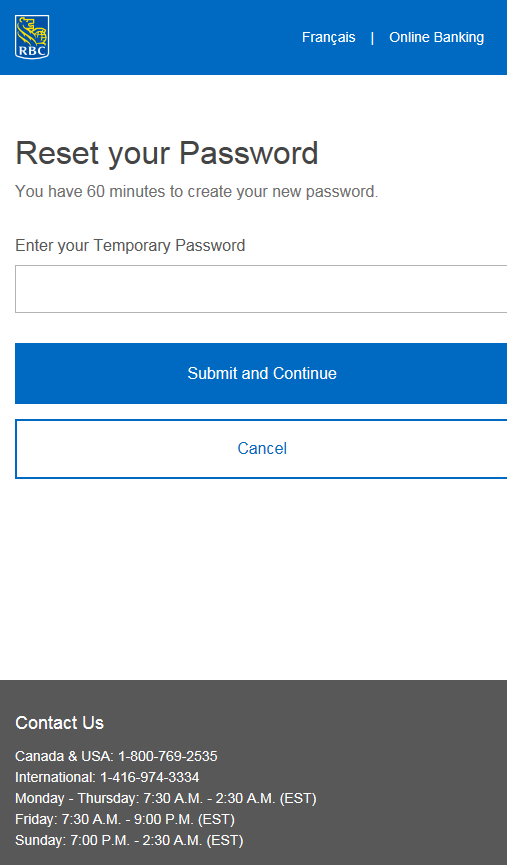
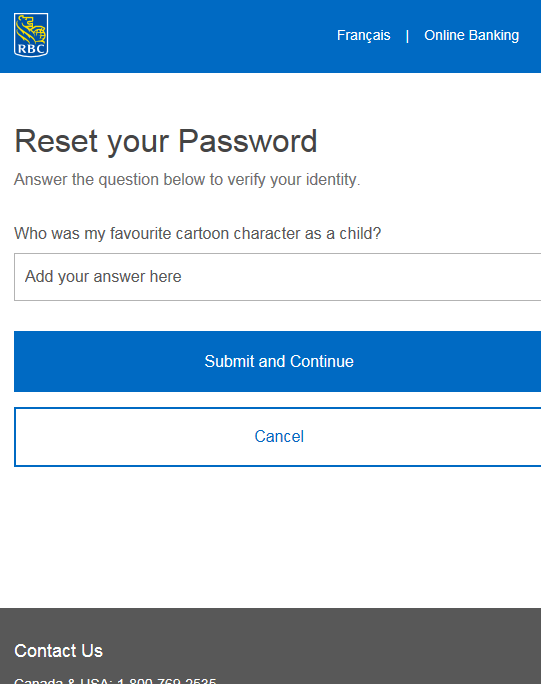
Reflection
This project demonstrated how micro-journeys, like password recovery, can have a major impact on customer trust and digital accessibility. By combining security, usability, and responsive design, I turned a once-frustrating process into a streamlined, human-centered experience that reinforced RBC’s brand promise of “simpler, smarter banking.”
Client: RBC Royal Bank (Commercial Banking Division)
Role: Senior User Experience Designer
Project Overview
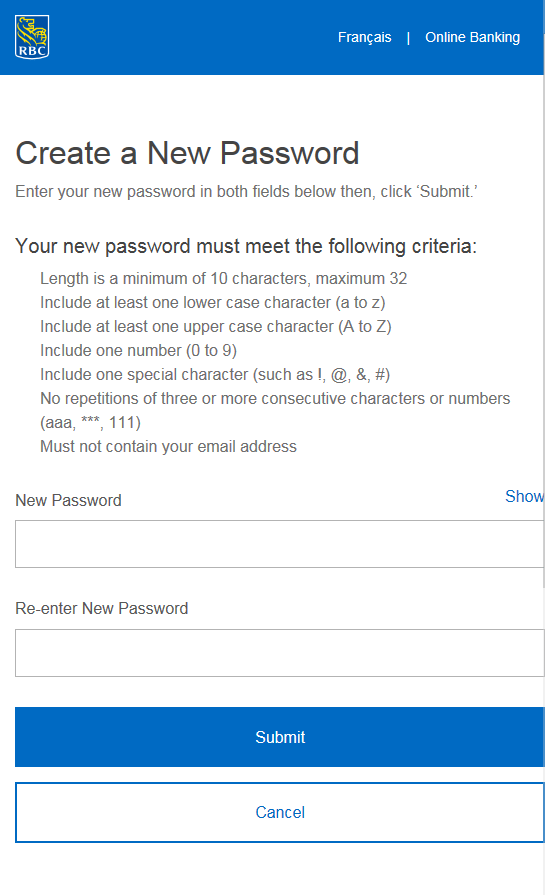
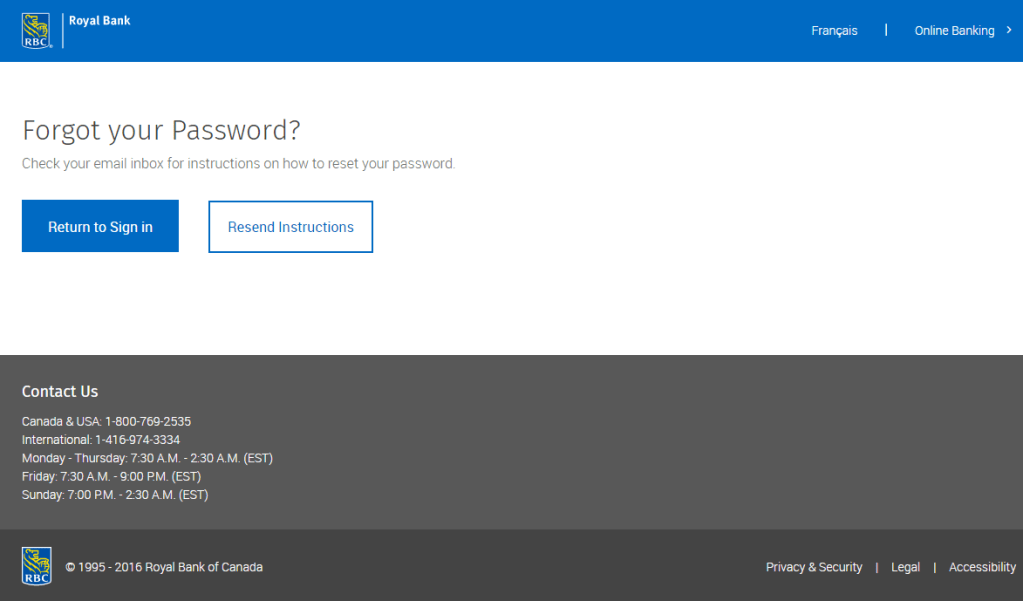
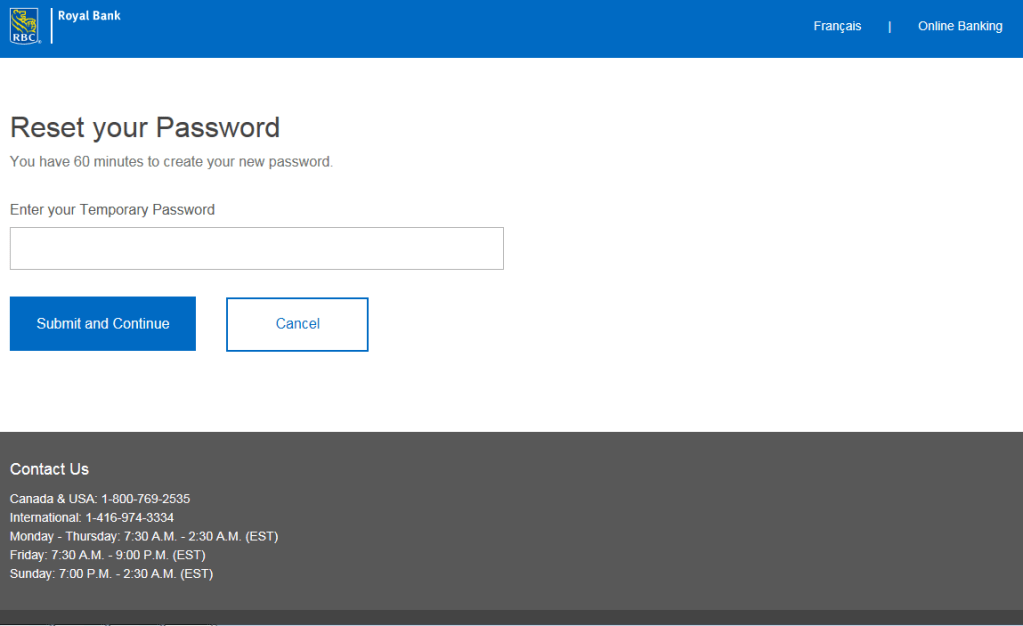
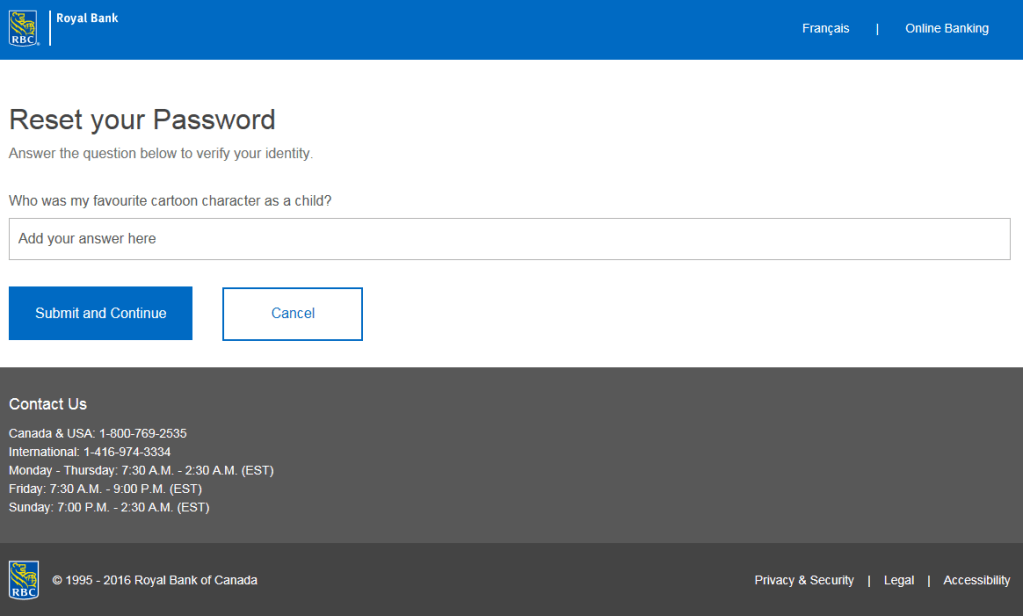
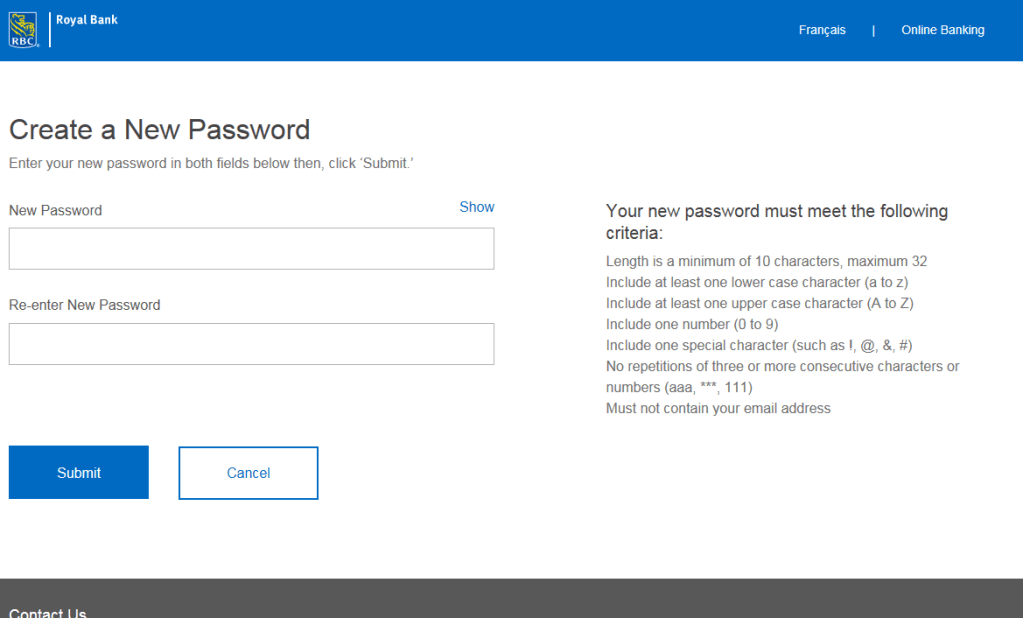
RBC Express is the online commercial banking platform used by corporate clients to manage accounts, payments, and reporting. The Forgot Password flow—critical for client access and security—had become outdated, inconsistent across devices, and overly complex for busy business users.
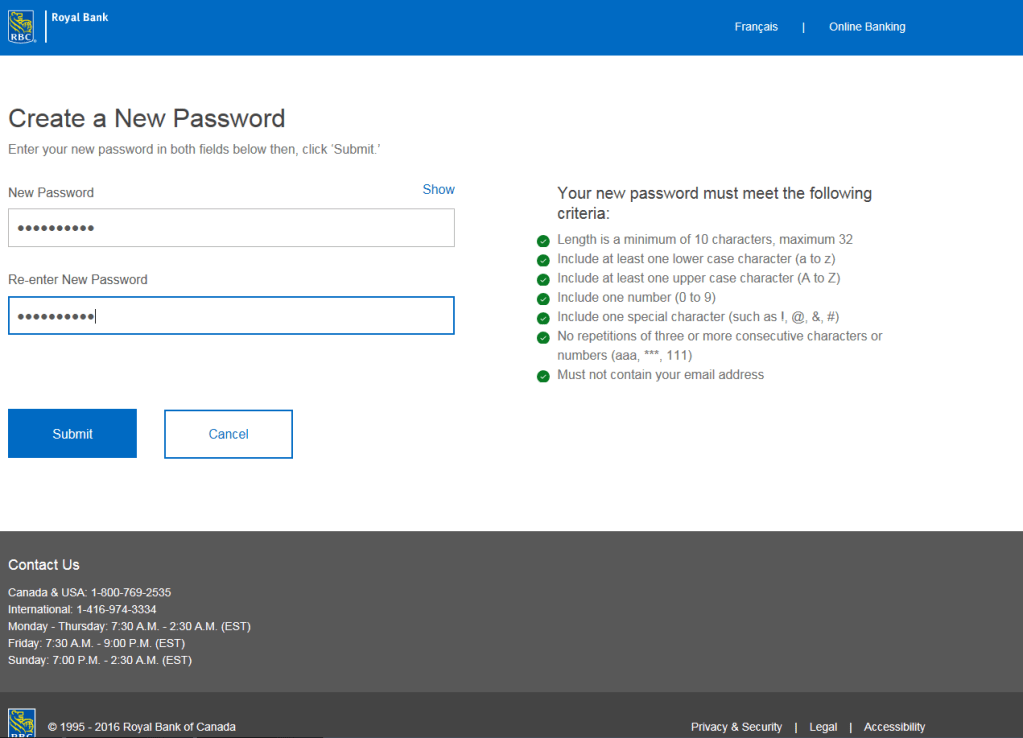
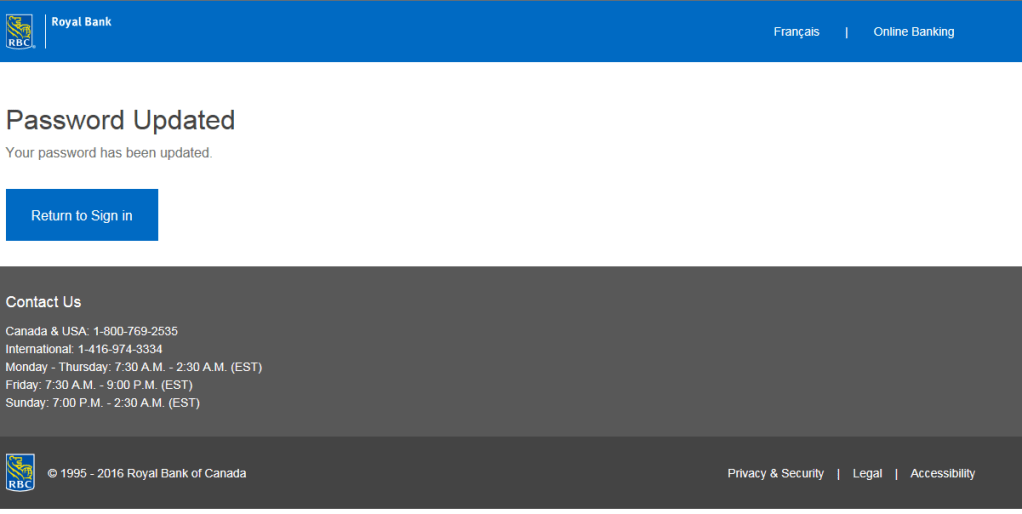
The project’s goal was to redesign the password recovery experience as part of RBC’s responsive modernization initiative, ensuring it was secure, accessible, and frictionless across desktop, tablet, and mobile devices.
The Challenge
Business banking clients frequently accessed RBC Express from multiple devices and corporate networks. The existing password recovery process was:
- Non-responsive and difficult to use on mobile.
- Text-heavy, using technical and compliance language that overwhelmed users.
- Inconsistent in look and behavior with RBC’s evolving design system.
- Accessibility gaps under WCAG standards, with low keyboard and screen-reader compatibility.
This created unnecessary friction and a high rate of service calls to RBC’s support team.
My Role & Contributions
As the lead designer on this initiative, I oversaw the full UX and interaction design process from research through delivery:
- Discovery & Research
- Conducted heuristic analysis of the existing flow to identify friction points and compliance gaps.
- Collaborated with customer support and business analysts to analyze help-desk data and uncover the most common user issues.
- Benchmarked against industry best practices in digital identity recovery for financial services.
- User Flow Optimization
- Mapped the end-to-end user journey, identifying redundant verification steps and cognitive load.
- Designed a simplified, mobile-first flow reducing user inputs from 6 to 3 key steps.
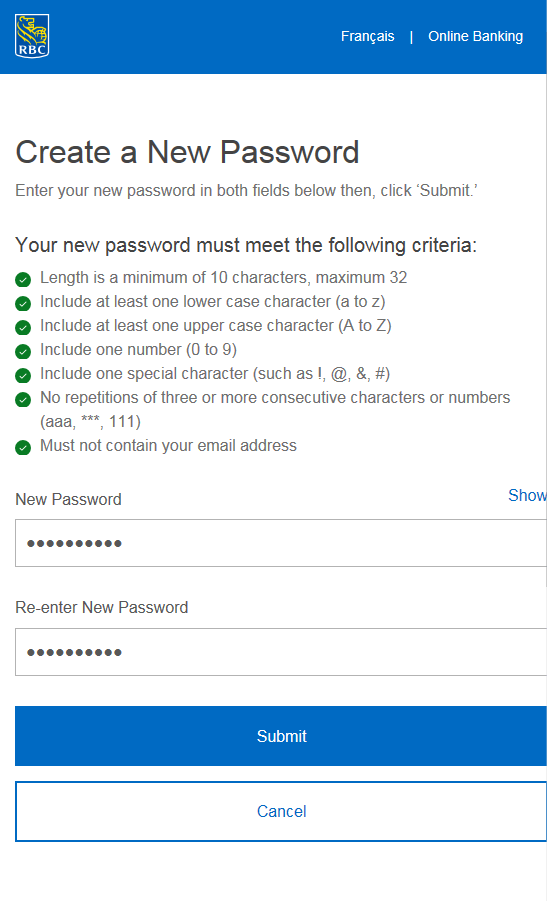
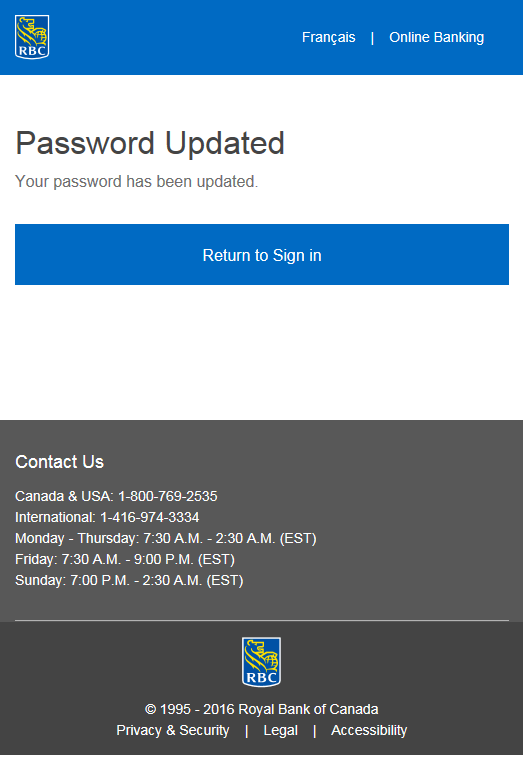
- Incorporated real-time validation, visual progress indicators, and contextual help.
- Accessibility & Inclusive Design
- Applied WCAG 2.1 AA principles throughout interaction design.
- Optimized visual contrast, keyboard navigation, and screen-reader labels.
- Collaborated with accessibility QA to test with users relying on assistive technologies.
- Prototyping & Testing
- Built responsive prototypes in Figma and Axure to validate designs with internal stakeholders and RBC clients.
- Conducted moderated usability sessions across device types and operating systems.
- Integrated feedback directly into annotated design specs for developers.
- Collaboration & Delivery
- Partnered with developers and the enterprise design team to ensure alignment with RBC’s design system.
- Documented design decisions, accessibility patterns, and error-handling behaviors for ongoing reference.
Outcomes & Impact
- Reduced average time to reset credentials by 40%, decreasing support tickets by 30% within three months of rollout.
- Achieved full responsive design compatibility across mobile and tablet devices.
- Brought the flow into compliance with WCAG 2.1 AA and internal RBC accessibility standards.
- Contributed to the RBC Express design system by adding new components for identity recovery and status messaging.
Desktop experience
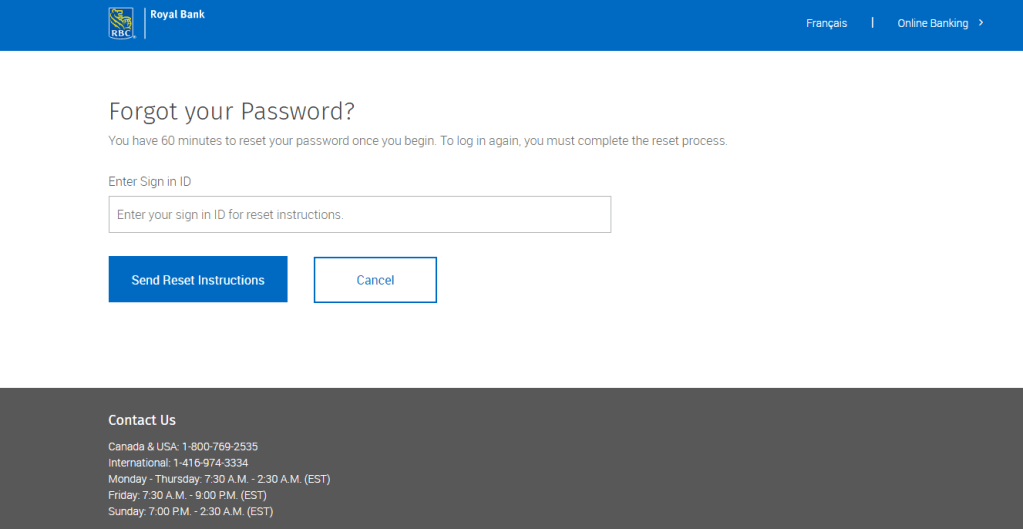
Mobile experience